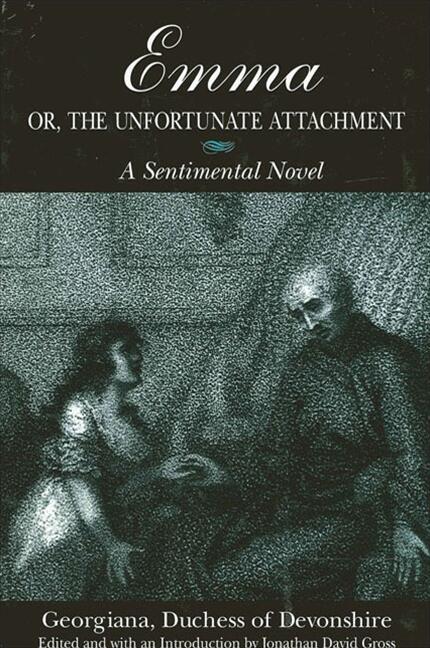
Emma; or, The Unfortunate Attachment
A Sentimental Novel
Alternative formats available from:
An early British novel, attributed to Georgiana, Duchess of Devonshire, which explores the problems of first impressions and arranged marriages from the perspective of a woman who would suffer the long-term consequences of both.
Description
Published anonymously in 1773 and attributed to Georgiana, Duchess of Devonshire, this epistolary novel explores the "unfortunate attachment" of Emma Eggerton to William Walpole. Forbidden by her father to marry the man she loves, Emma resigns herself to marrying Walpole, her father's autocratic choice of a husband. The novel's other unfortunate attachment concerns Colonel Sutton, who falls prey to the "low" machinations of the confirmed flirt Harriet Courtney. Like Jane Austen's Pride and Prejudice, Georgiana's Emma explores the dangers of first impressions and arranged marriages, but does so from the vantage point of a woman who would suffer the long-term consequences of both.
Originally published when the author was only sixteen, and long out of print, Emma anticipates many of the major events of Georgiana's own life, and taken together with her second novel, The Sylph, it offers significant insights into the outlook of aristocratic women in the late eighteenth century. An Introduction by Jonathan David Gross sets the novel in the context of its time and explores the questions surrounding its authorship.
Jonathan David Gross is Associate Professor of English at DePaul University. He is the author of Byron: The Erotic Liberal and editor of Byron's "Corbeau Blanc": The Life and Letters of Lady Melbourne.